Dead Tree Removal in San Jose, CA
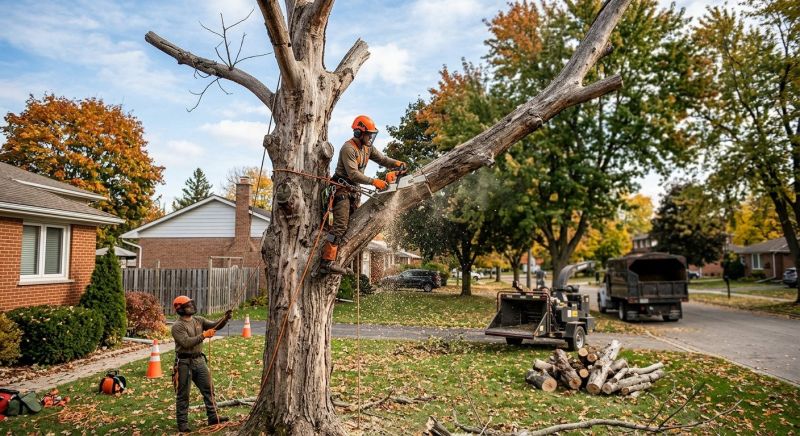
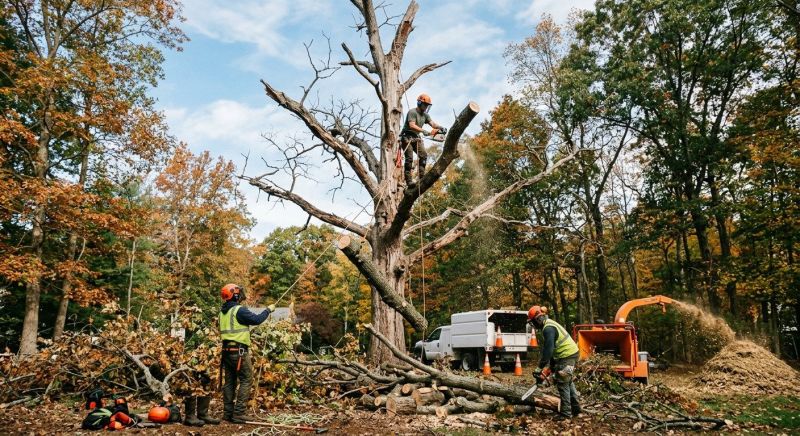
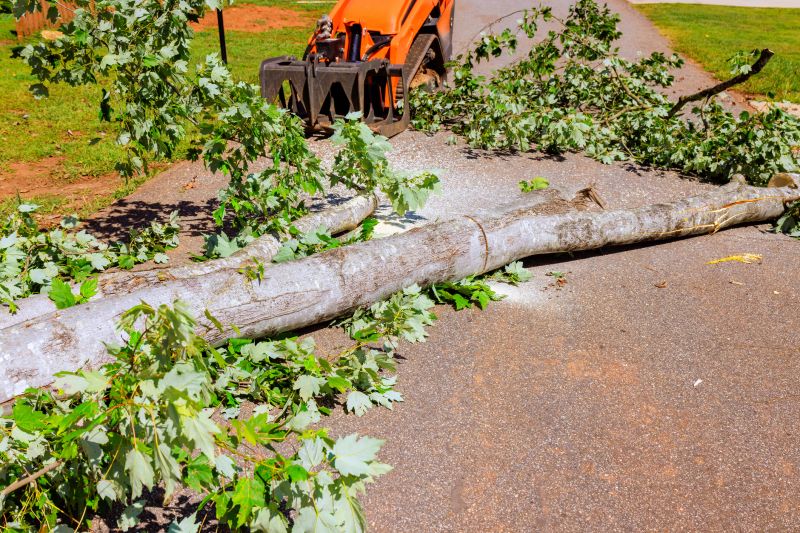
Dead tree removal services involve the safe and efficient removal of trees that are dead, decaying, or posing a risk to property and safety. These projects typically include assessing the tree’s condition, planning the removal process, and using specialized equipment to carefully cut and eliminate the tree without damaging surrounding landscapes or structures. Property owners often request this service when dead or dying trees threaten to fall, obstruct views, or interfere with power lines, or when removal is necessary to maintain the health and safety of the landscape.
Before requesting dead tree removal, property owners should consider the tree’s location, size, and condition, as well as any potential impacts on nearby structures, utilities, or landscaping. It’s also useful to understand if permits are needed for removal, especially for larger trees or those in protected areas. Clear communication about the scope of the project and any specific concerns can help ensure the process is handled efficiently and safely.
Many property owners in San Jose, CA look into Dead Tree Removal for repairs, replacements, upgrades, and appearance-related improvements.
Dead Tree Removal Services
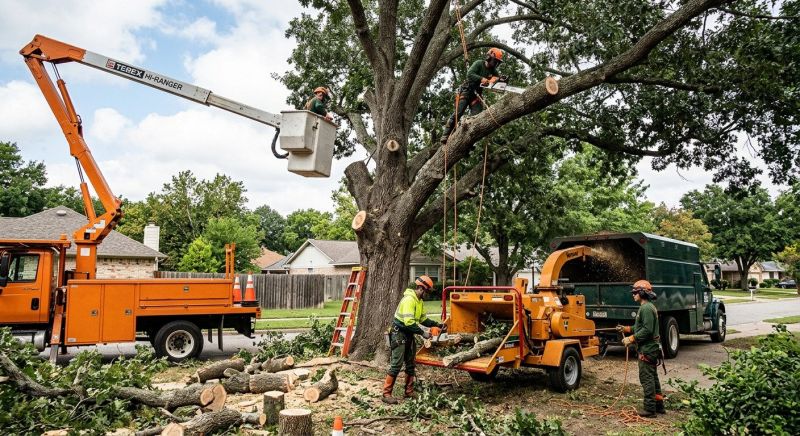
Examples of dead tree removal work property owners may explore in san jose, ca.
Dead Tree Removal Updates
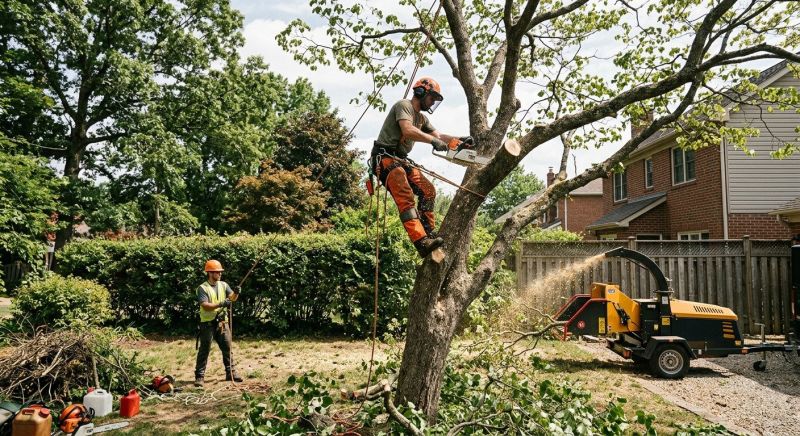
Common ways people refresh, improve, or restore dead tree removal features in san jose, ca.
Dead Tree Removal Options
Different styles, layouts, and finishes people consider for dead tree removal in san jose, ca.
Dead Tree Removal in San Jose, CA
Dead tree removal services involve the safe and efficient removal of trees that are dead, decaying, or posing a risk to property and safety. These projects typically include assessing the tree’s condition, planning the removal process, and using specialized equipment to carefully cut and eliminate the tree without damaging surrounding landscapes or structures. Property owners often request this service when dead or dying trees threaten to fall, obstruct views, or interfere with power lines, or when removal is necessary to maintain the health and safety of the landscape.
Before requesting dead tree removal, property owners should consider the tree’s location, size, and condition, as well as any potential impacts on nearby structures, utilities, or landscaping. It’s also useful to understand if permits are needed for removal, especially for larger trees or those in protected areas. Clear communication about the scope of the project and any specific concerns can help ensure the process is handled efficiently and safely.
Many property owners in San Jose, CA look into Dead Tree Removal for repairs, replacements, upgrades, and appearance-related improvements.
Common Dead Tree Removal Jobs
Dead Tree Removal - safely eliminates hazardous or decayed trees from residential or commercial properties.
Storm-Damaged Tree Removal - clears fallen or broken trees caused by severe weather events.
Overgrown Tree Removal - reduces trees that obstruct views, pathways, or structures.
Emergency Tree Removal - provides prompt removal of trees threatening safety or property.
Selective Tree Removal - targets specific trees to improve landscape health or aesthetics.
Root Removal Services - extracts problematic roots that cause damage to foundations or underground utilities.
Dead Tree Removal Questions
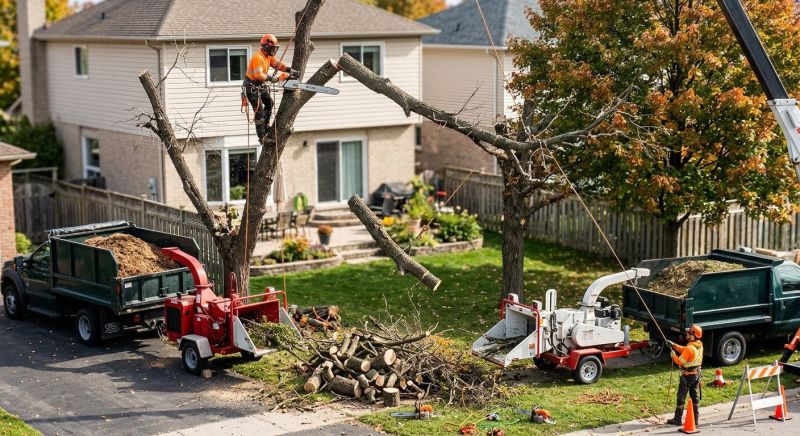
What types of trees are suitable for removal? Most common trees in residential areas can be removed, including dead, diseased, or hazardous trees.
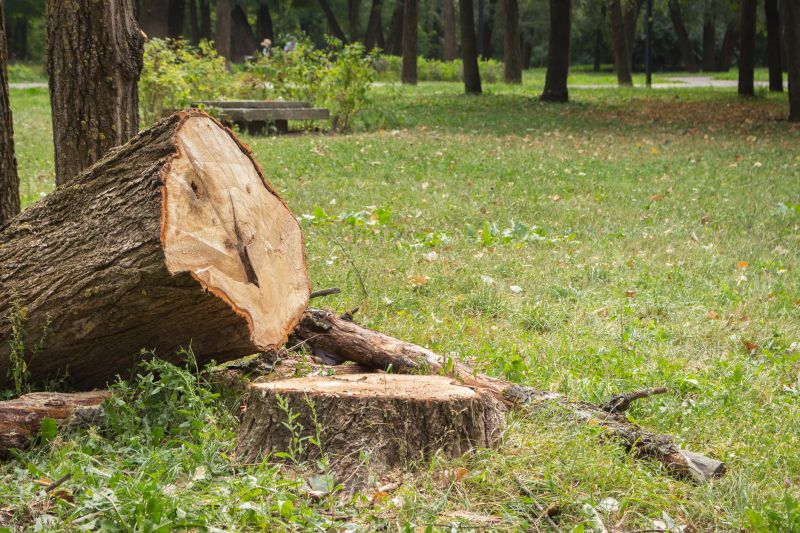
Why remove a dead tree? Removing dead trees helps prevent potential property damage and safety hazards caused by falling branches or the entire tree.
Is stump removal part of dead tree services? Stump removal is often offered separately but can be included to fully clear the area after tree removal.
When is the best time to remove a dead tree? Dead trees can be removed at any time of year, but it’s often preferred during dormant seasons for less disruption.
Request Dead Tree Removal in San Jose, CA
Use the quote form on this page to share the basics of your project and request more information for the type of work you need.