Get Shrubs Trimming
Shrubs trimming services help property owners maintain healthy, attractive bushes by shaping, pruning, and removing overgrown or damaged branches to improve curb appeal and safety.
If property owners in the area are considering shrub trimming, they’re in the right place to explore options. Properly maintained shrubs enhance curb appeal, support the health of your landscape, and can even improve privacy. Whether preparing for seasonal changes or simply wanting to keep outdoor spaces looking tidy, scheduling trimming services can be an important part of ongoing landscape care. By comparing local contractors, property owners can find the right professionals to meet their specific needs and ensure their outdoor areas remain attractive and well-kept.
Understanding the benefits of professional shrub trimming can help property owners plan their landscape projects effectively. Local service providers offer a range of trimming solutions suited to different types of shrubs and garden styles. Exploring these options allows property owners to make informed decisions about maintaining their outdoor spaces, ensuring they look their best and remain healthy. Keep reading to discover how connecting with trusted local contractors can support your shrub care goals.
- Hedge Trimming - needed when hedges become overgrown and obstruct views or pathways.
- Bush Pruning - required to maintain shrub health and shape after they grow too large.
- Shrub Shaping - necessary for aesthetic purposes when shrubs need to be sculpted or tidied.
- Overgrown Shrub Removal - needed when shrubs have become too dense or unmanageable.
- Seasonal Shrub Maintenance - suitable for routine trimming to prepare plants for different seasons.
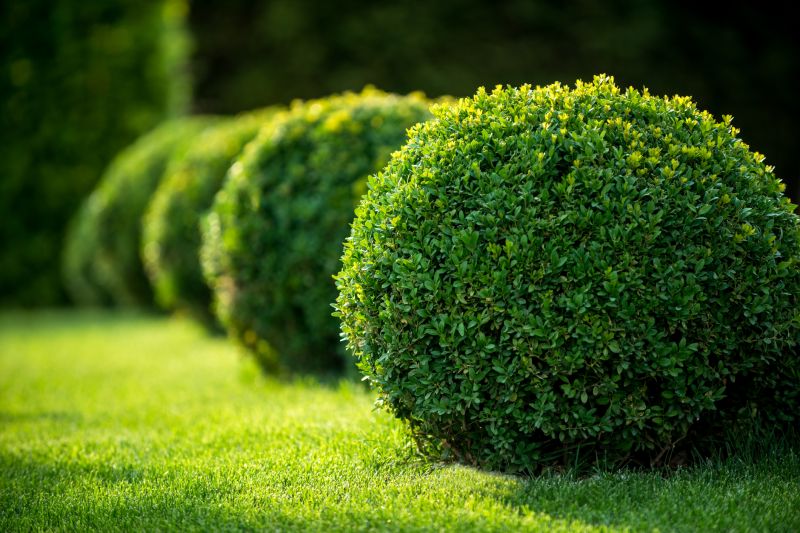

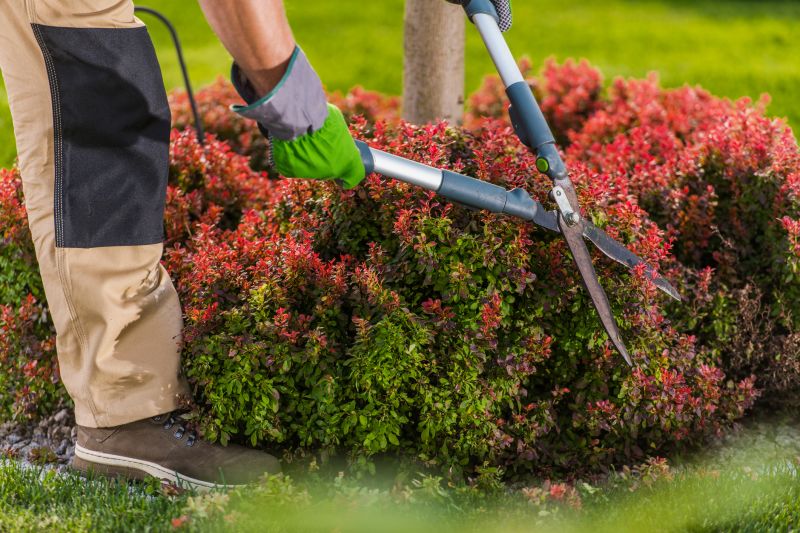
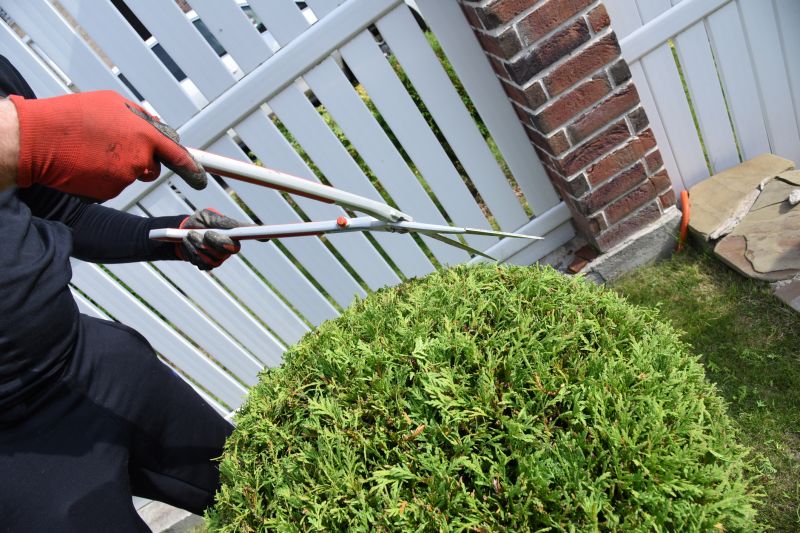
Shrubs trimming services involve the careful shaping and cutting back of shrubbery and bushes to maintain their health and appearance. This process typically includes removing dead or overgrown branches, reducing the size of overgrown plants, and ensuring that shrubs do not encroach on walkways, driveways, or other structures. Proper trimming encourages healthy growth, prevents disease, and keeps landscaping looking neat and well-maintained. Skilled service providers use the right tools and techniques to achieve a clean, natural look while promoting the longevity of the plants.
Regular shrub trimming can help solve common problems such as overgrowth that blocks views or sunlight, as well as the presence of dead or diseased branches that can spread disease or attract pests. Overgrown shrubs can also pose safety hazards by obstructing pathways or creating hiding spots. Trimming helps to improve airflow and light penetration, which benefits the overall health of the landscape. For properties with dense or unruly shrubbery, professional trimming ensures that plants are managed properly without causing damage, maintaining both beauty and safety.
This service is often sought after by homeowners with landscaped yards, gardens, or residential properties that feature decorative or functional shrubbery. It is also common for properties with commercial buildings, parks, or community spaces that require tidy, well-kept greenery. Shrubs trimming is especially useful for properties that experience seasonal growth spurts or have plants that require regular maintenance to keep their shape and size in check. Whether for aesthetic reasons or to prevent potential hazards, many property owners find professional trimming to be an essential part of landscape upkeep.
Homeowners typically need shrub trimming services when plants become overgrown, start to block views, or show signs of disease or damage. It is also necessary when shrubs are shaping the overall look of a yard or garden, or when they are interfering with utility lines or structures. Regular trimming can enhance curb appeal, promote healthy growth, and prevent issues before they become more serious. Contacting local service providers allows property owners to find experienced professionals who can handle the specific needs of their shrubs and ensure the landscape remains attractive and safe.
The overview below groups typical Shrubs Trimming projects into broad ranges so you can see how smaller, mid-sized, and larger jobs often compare in your area.
In many markets, a large share of routine jobs stays in the lower and middle ranges, while only a smaller percentage of projects moves into the highest bands when the work is more complex or site conditions are harder than average.
Basic Shrub Trimming - Most routine trimming jobs for small to medium shrubs typically cost between $50 and $150. Many projects fall within this range, covering regular maintenance and shaping. Larger or more complex jobs can occasionally reach $200 or more.
Medium-Size Shrubs - For trimming larger or more established shrubs, local contractors usually charge between $150 and $400. Many projects in this category are straightforward, but more intricate shaping can push costs higher.
Large or Overgrown Shrubs - Extensive trimming of overgrown or multiple large shrubs often costs between $400 and $1,000. While most jobs stay within this range, highly detailed or difficult terrain projects can exceed it.
Full Shrub Removal - Complete removal of shrubs generally costs from $200 to $600 per shrub, depending on size and location. Larger, more complex removals may reach $1,000 or more, but many standard projects are priced within the lower to mid-range.
Actual totals will depend on details like access to the work area, the scope of the project, and the materials selected, so use these as general starting points rather than exact figures.
Hedge Trimming - professionals who shape and maintain hedges use similar pruning techniques and tools as shrub trimming specialists.
Tree Pruning - tree pruning requires precise cutting and planning skills comparable to those used in shrub trimming projects.
Landscape Planting - planting new shrubs and plants involves planning and knowledge of plant care, aligning with shrub trimming services.
Garden Bed Maintenance - maintaining garden beds includes trimming and shaping plants, which shares skills with shrub pruning.
Topiary Art - creating decorative topiary involves detailed trimming and shaping skills similar to shrub trimming work.
Bush Removal - removing overgrown or unwanted bushes requires careful planning and cutting techniques akin to shrub trimming tasks.
When evaluating potential service providers for shrub trimming, it’s important to consider their experience with similar projects. Homeowners should inquire about how long the contractor has been working with shrubs comparable to those on the property, as well as any specialized skills or techniques they bring to the job. A contractor with relevant experience is more likely to understand the specific needs of different shrub varieties and to handle the work efficiently and effectively, helping ensure the best results for the landscape.
Clear, written expectations are essential when choosing a contractor for shrub trimming services. Homeowners should seek detailed descriptions of the scope of work, including what will be trimmed, how the shrubs will be shaped, and any additional services that may be involved. Having this information in writing helps prevent misunderstandings and ensures that both parties are aligned on the project’s objectives. It also provides a reference point for addressing any questions or concerns that may arise during the process.
Reputable references and good communication are key indicators of a reliable service provider. Homeowners should ask for references from previous clients who had similar shrub trimming work done and follow up to learn about their experiences. Additionally, a contractor’s responsiveness and clarity in communication can reveal their professionalism and commitment to customer service. When local contractors demonstrate transparency and attentiveness, it increases the likelihood that the project will proceed smoothly and meet expectations. It’s important to remember that this site introduces homeowners to local options, not that it performs the work itself.
Property owners use Shrubs Trimming services for practical projects around their homes and businesses. This guide focuses on everyday jobs and straightforward project options.
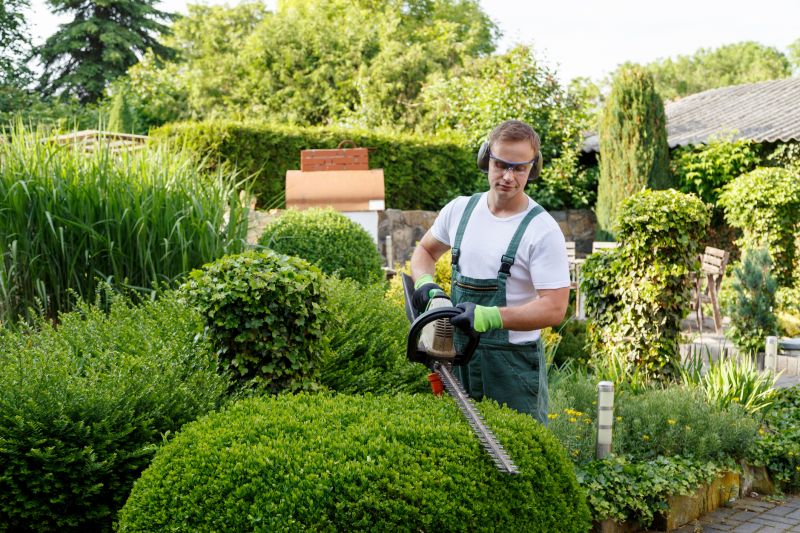

Shrubs trimming services are commonly sought after by property owners looking to maintain a neat and attractive landscape. Overgrown or uneven shrubs can detract from a property's curb appeal, making regular trimming an important part of yard care. Local contractors can help manage overgrown bushes, shape them to enhance the overall appearance, and ensure they stay healthy and well-maintained throughout the seasons.
In addition to aesthetics, many property owners turn to shrub trimming to improve safety and accessibility around their homes. Overgrown shrubs can obstruct pathways, windows, or views, creating potential hazards or privacy concerns. Local service providers are available to help clear away overgrowth, improve sightlines, and keep outdoor spaces safe and functional.
Why should I consider shrub trimming services? Shrub trimming helps maintain the health, appearance, and growth of bushes, enhancing the overall landscape of a property.
What types of shrubs can local contractors trim? Many service providers are experienced in trimming a variety of shrubs, including flowering bushes, evergreen, and ornamental varieties.
How often should shrubs be trimmed? The frequency of trimming depends on the shrub type and growth habits, but generally, regular maintenance ensures healthy growth and aesthetic appeal.
What tools do professionals use for shrub trimming? Trimming typically involves pruning shears, hedge trimmers, and loppers to achieve precise and clean cuts.
Can shrub trimming improve the safety of my yard? Yes, trimming can remove overgrown branches or deadwood that may pose hazards or obstruct pathways, contributing to a safer outdoor space.
Garden Maintenance - Regular shrub trimming helps keep landscaping neat and prevents overgrowth that can block walkways or views.
Seasonal Pruning - Preparing shrubs for different seasons ensures healthy growth and enhances the property's curb appeal.
Hedge Shaping - Shaping hedges and shrubs creates a polished look that complements the overall landscape design.
Overgrown Shrub Control - Removing overgrown or unruly shrubs improves safety and makes outdoor spaces more accessible.
If you are thinking about Shrubs Trimming for a property, this guide is meant to help you understand the work, the typical project types, and how different options might fit your plans.
When you are ready, you can use the quote form on this page to share a few details about your project. From there, local pros can review the basics and respond with options that match what you have in mind.